
Xbox Project Helix
Lisa Lang
3/6/2026
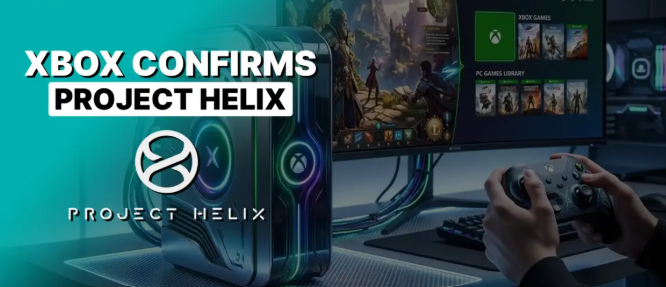
Microsoft recently confirmed that it is developing its next-generation Xbox console under the codename Project Helix. The announcement came after leadership changes within Microsoft’s gaming division and signals that the company is still investing in gaming hardware. According to Microsoft executives, Project Helix is intended to deliver high performance while bridging the gap between traditional console gaming and PC gaming. The new console is expected to run both Xbox titles and PC games, potentially including games from multiple digital storefronts. If this approach succeeds, it could blur the long-standing boundary between consoles and personal computers.
Project Helix reflects a broader shift in Microsoft’s gaming strategy. In recent years, the company has emphasized services such as Game Pass, cloud gaming, and cross-platform compatibility. Rather than focusing only on hardware sales, Microsoft increasingly views Xbox as a broader product that spans consoles, PCs, and cloud platforms. The concept behind Project Helix appears to fit into this philosophy by making the Xbox platform more flexible and open. Some reports suggest the console may support PC storefronts such as Steam, which would represent a major departure from the traditional closed console model. If implemented, this could create what some analysts call the “most open Xbox ever.”
At the same time, the announcement has appeared during a period of controversy and debate within the gaming community. One of the most vocal critics of Microsoft’s direction has been Seamus Blackley, a video game developer and physicist who helped create the original Xbox console in the early 2000s. Blackley played a central role in convincing Microsoft to enter the console market and was instrumental in shaping the early vision of the Xbox brand. Because of his historical role, his opinions about the platform continue to attract attention within the gaming industry.
In recent interviews, Blackley has argued that Xbox may be gradually declining within Microsoft’s broader corporate strategy. He has suggested that the company’s heavy focus on artificial intelligence could reduce the importance of traditional gaming hardware. According to Blackley, businesses that are not directly related to Microsoft’s AI ambitions may eventually receive less attention or investment. In a particularly striking comment, he suggested that Xbox might be “sunsetted,” meaning slowly phased out over time. He speculated that new leadership within the gaming division might be tasked with managing that transition rather than expanding the console business.
However, these claims remain controversial and far from universally accepted. Other industry veterans and analysts have rejected the idea that Xbox is about to disappear. Some have pointed out that Microsoft continues to release new games, expand Game Pass, and invest in hardware like Project Helix. The very announcement of a new console appears to contradict the idea that Microsoft is abandoning the platform. Instead, many observers believe Microsoft is redefining what “Xbox” means rather than eliminating it.
Under this interpretation, Xbox may evolve into a platform that exists across many devices rather than being tied to a single console. The emphasis on cloud gaming, cross-platform releases, and PC integration suggests that Microsoft is experimenting with new models for distributing games. Project Helix may therefore represent a transition toward a hybrid device that merges console simplicity with PC flexibility.
The debate surrounding Blackley’s comments highlights a broader uncertainty about the future of gaming. As companies invest heavily in artificial intelligence, cloud infrastructure, and digital ecosystems, the traditional console model may change significantly. Some developers worry that the cultural identity of gaming could be lost if large technology companies treat games primarily as data platforms or AI experiments. Others believe that new technologies could open new creative possibilities.
In the end, the future of Xbox remains unclear. Microsoft’s continued development of Project Helix suggests that gaming hardware still plays a role in its strategy. At the same time, the company’s growing emphasis on AI and cloud computing raises questions about how gaming will fit into its long-term vision. The debate sparked by Seamus Blackley shows that even the creators of major platforms can disagree about where the industry is heading. What is certain is that the next few years may redefine what the word “Xbox” actually means.